Ian Hill’s journey in the van industry began from the ground up. Unlike many who entered the sector with a background in automotive mechanics, Ian’s path was driven by a vision to revolutionize van customization and new van sales. His career trajectory, much like the vehicles he would come to expertly tailor, was built with precision and a forward-thinking mindset.
Ian’s expertise doesn’t stem from childhood days spent under the hood but from a genuine enthusiasm for connecting businesses and individuals with the perfect vehicle. His formative years were spent absorbing the intricacies of the industry, from the sales floor to the back-end operations that keep fleets running.
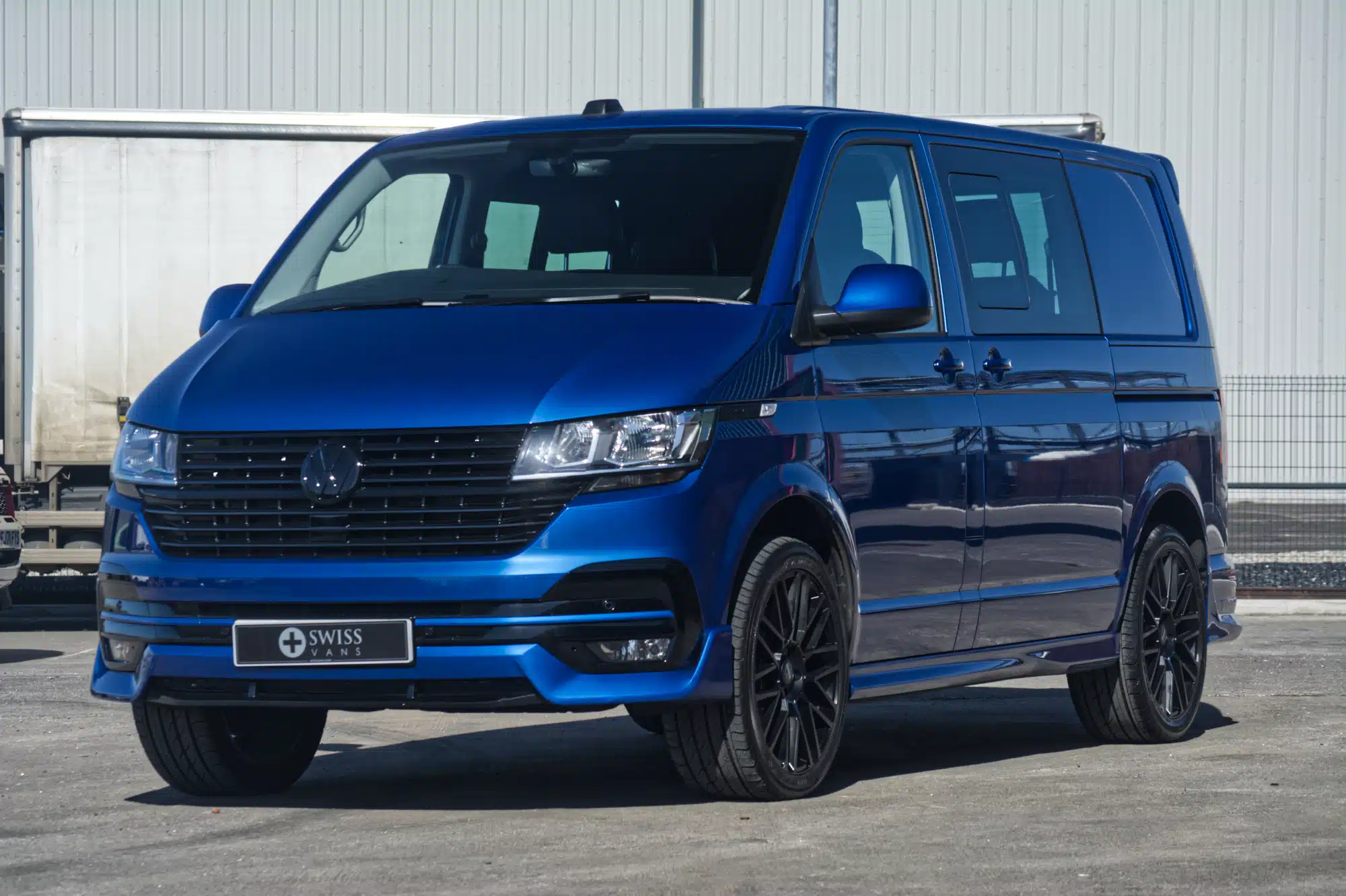
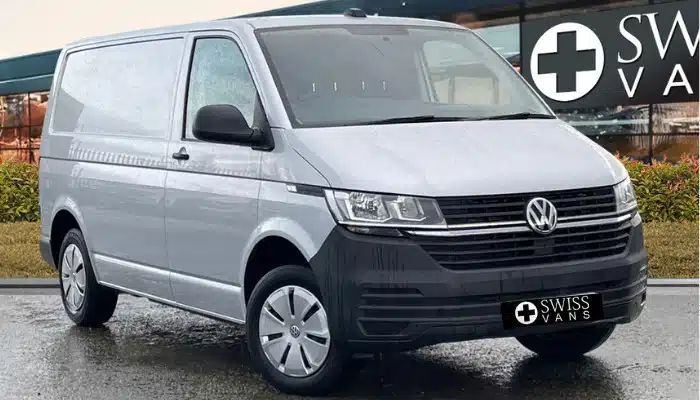
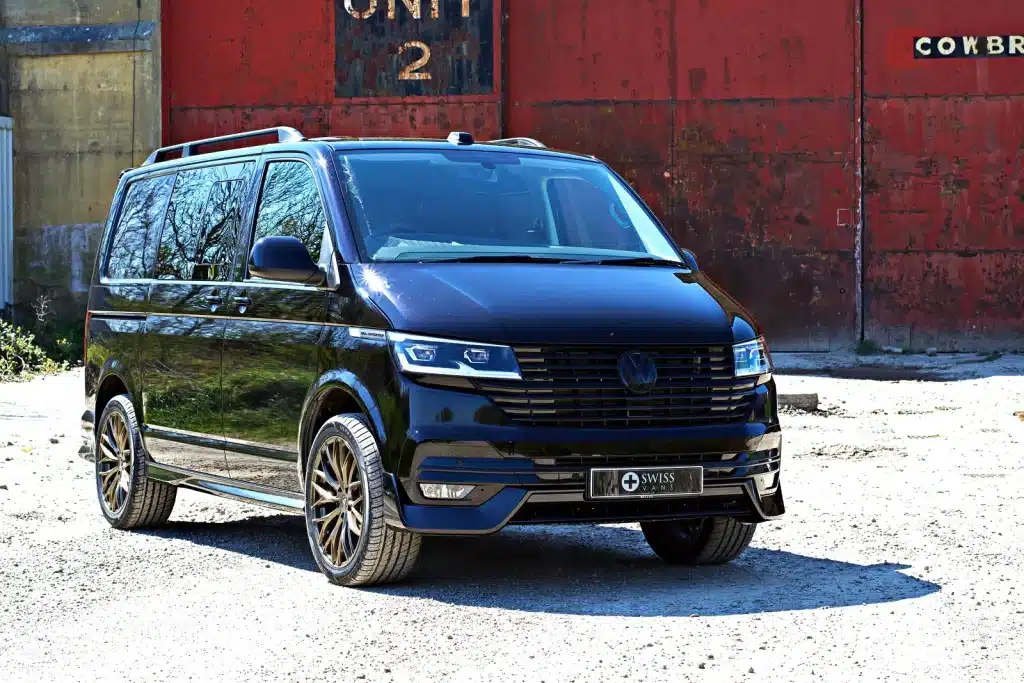
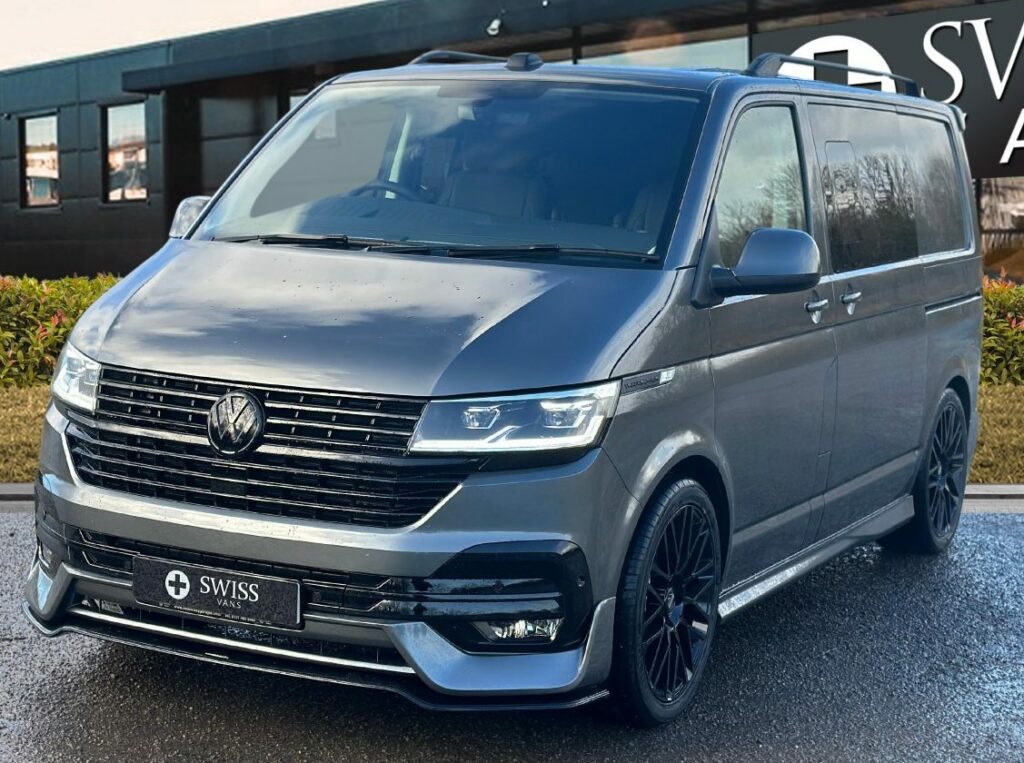
In 2009, Ian founded Swiss Vans, a company that quickly became synonymous with quality and innovation in new van sales and customizations. His insight into the needs of van drivers and business owners alike has made Swiss Vans a household name. Specializing in models from Ford Transits to Volkswagen Transporters, and including versatile vehicles like the Citroen Relay and Peugeot Boxer, Ian’s repertoire is comprehensive. But where Ian truly shines is in the bespoke transformation of these vans.
With a meticulous eye for both form and function, he oversees the customization process to ensure each van that leaves Swiss Vans’ lot isn’t just fit for purpose but also showcases the personality and brand of its owner.
Ian Hill
New Van Authority and Customisation Specialist
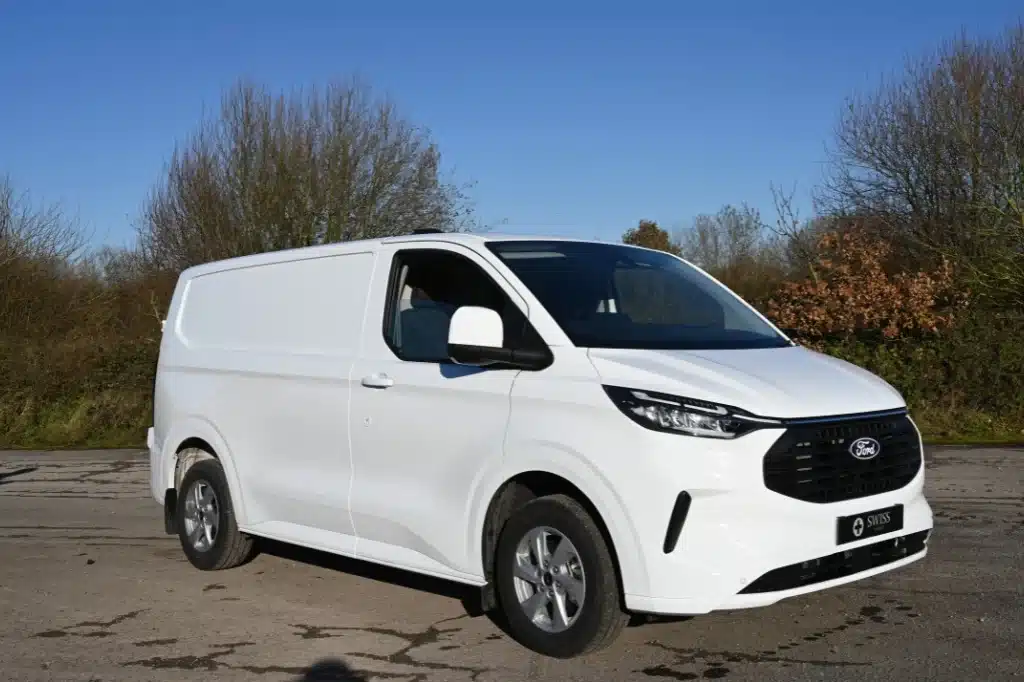
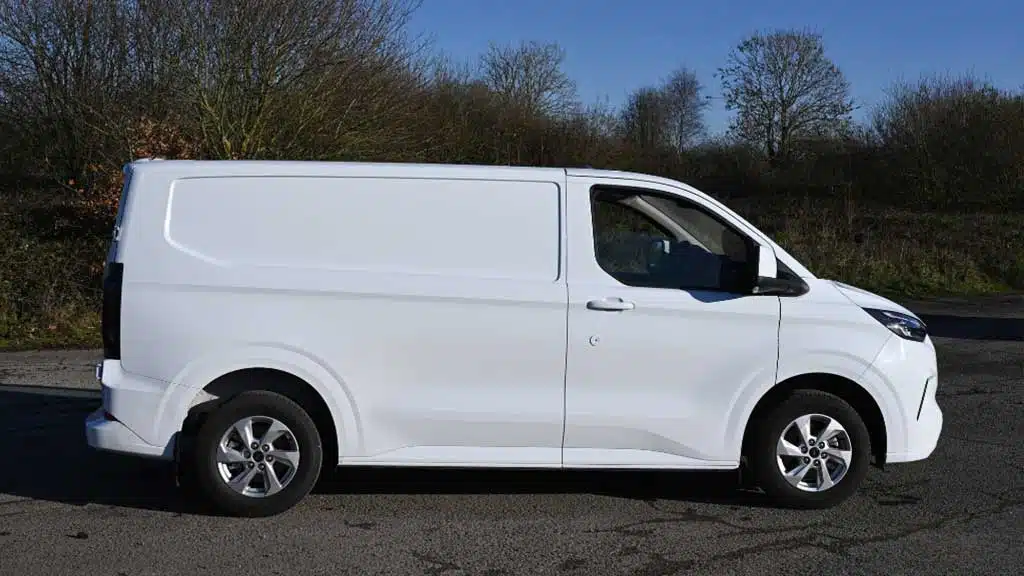
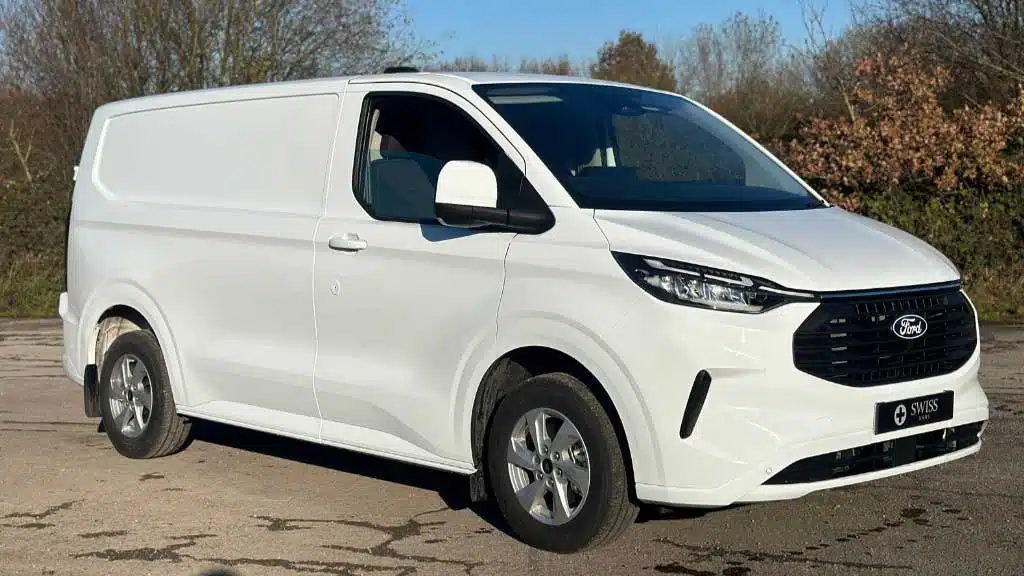
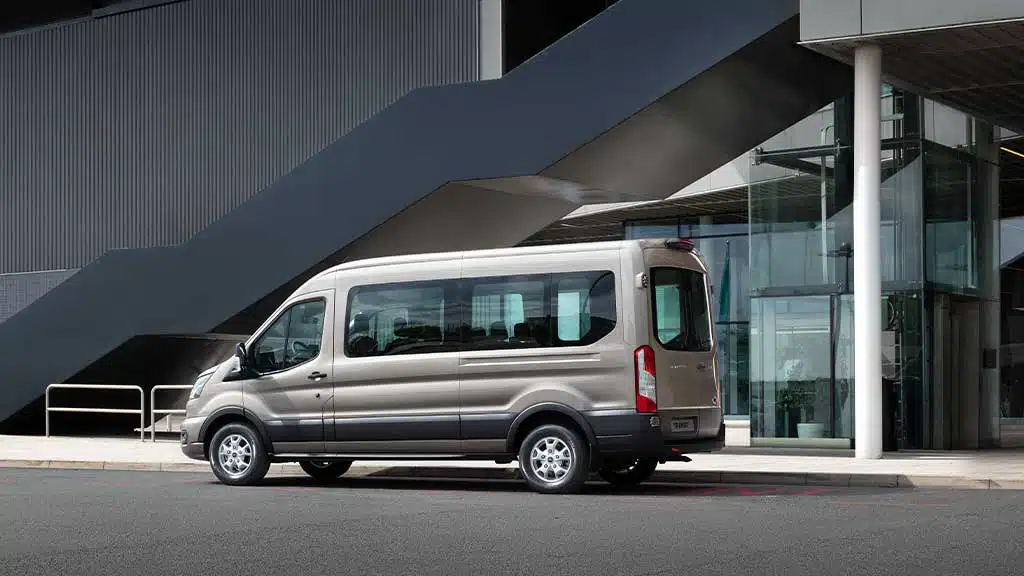
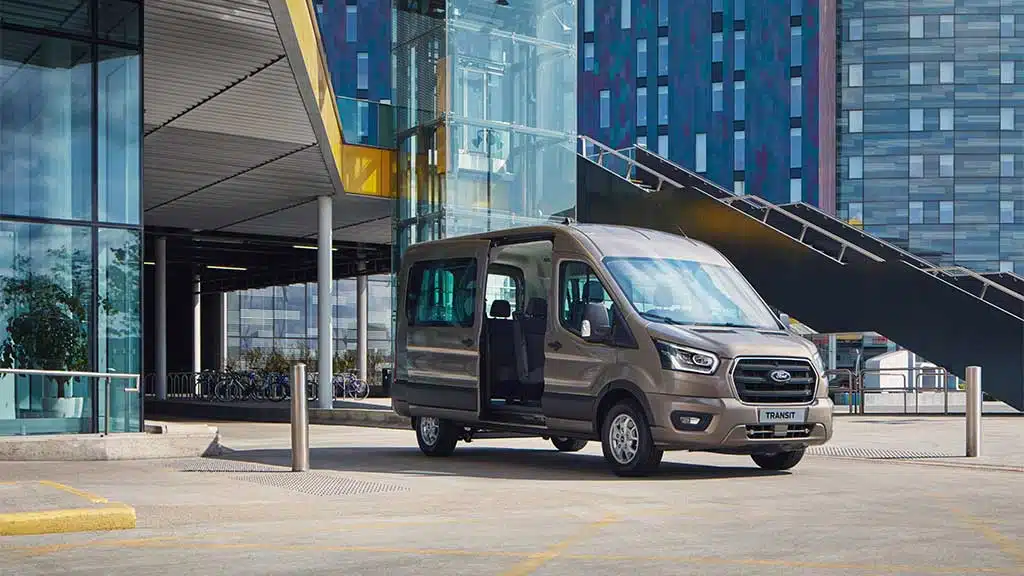
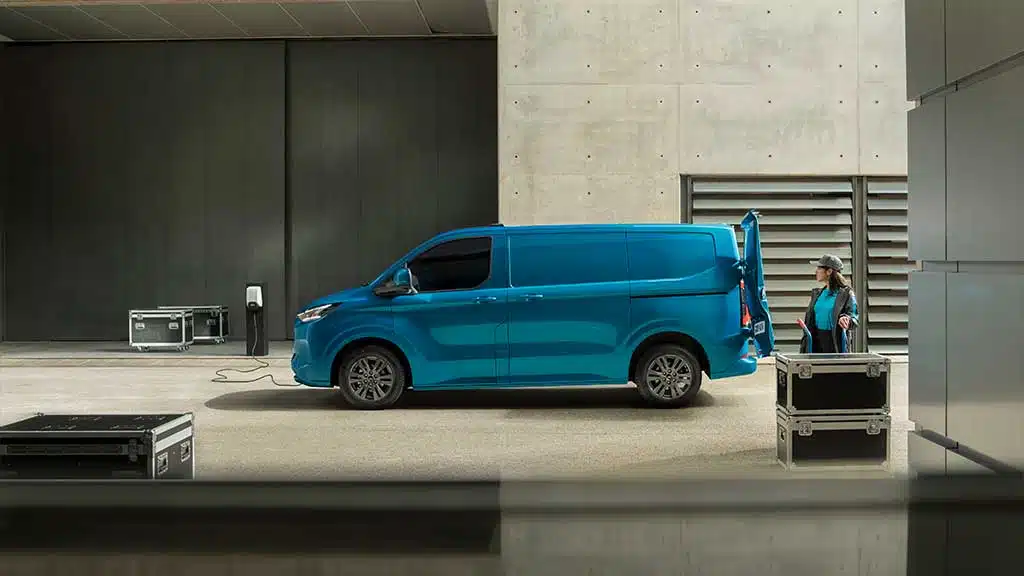
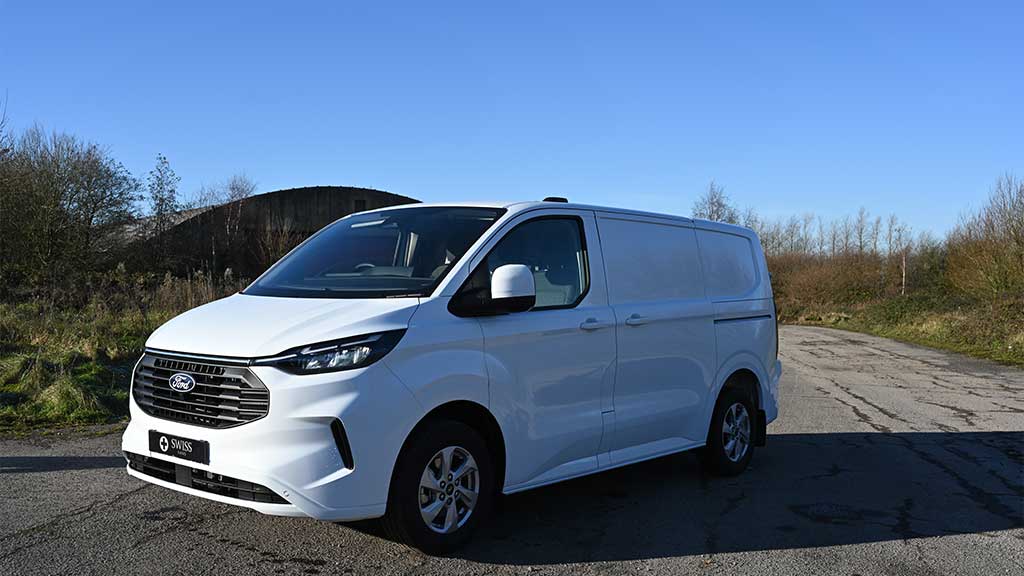
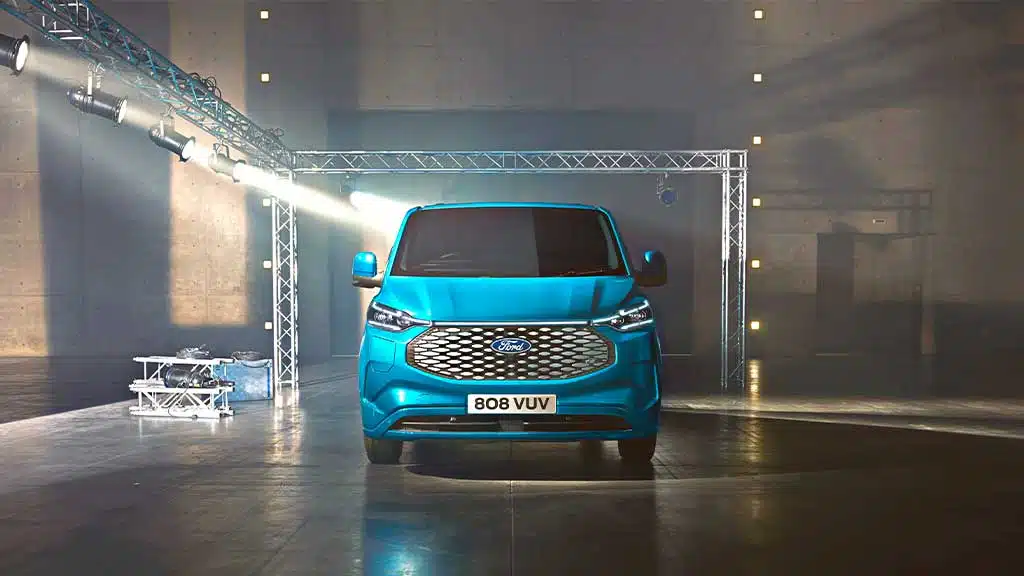
NEW FORD TRANSIT CUSTOM
Ford Transit Custom 2024: Redefining Efficiency and Style in Commercial Vans
Ian's Guidance for Swiss Vans' Clients
Personalization is Key: Your van is a mobile billboard for your business. Make it stand out with a custom look that reflects your brand’s identity and ethos.
Stay Informed: Knowing the market is crucial. We ensure our clients understand their options to make the best choices for their needs..
Safety as Priority: We don’t just customize for aesthetics; we ensure that the latest safety features are integrated to protect your most valuable asset—your people.
Ian's Areas of Expertise:
Innovative Customisation: From bespoke interiors to eye-catching exteriors, Ian is a master of making each van a one-off creation.
Market Acumen: With his finger on the pulse of the van market, Ian provides invaluable insights into trends and best buys.
Client Relations: Believing in a hands-on approach, Ian ensures each client’s experience is tailored, just like their vans.
Since its launch in 2015, the Ford Transit Custom has had numerous enhancements and modifications. The battery that these vehicles run on, however, hasn’t changed throughout the years. Wondering where is the battery on a Ford Transit Custom? Continue reading to learn everything you need to know about the Ford Transit Custom’s battery.
Like other batteries, the battery in an automobile stores chemical energy that is electrically charged. Car batteries are made of lead-acid technology and have a long lifespan; however, they are not like phone batteries in that they are often charged and depleted. Therefore, your battery won’t be in the best shape if you let it drain by leaving the lights on or if something else is causing the drain.
What is so special about the Ford Transit Custom battery?
Group 48 batteries (H6) are used by all Ford Transit vehicles, and some even utilize two! Unlike other cars, these batteries are not located inside the engine. Rather, they are positioned beneath the driver’s seat, which shields them from the heat produced by the engine and lengthens their lifespan and efficiency.
For your van, a Transit Custom Battery may accomplish a lot. It contributes to the smooth operation of the engine and offers additional power when needed. Additionally, knowing that your van is always prepared to go in any circumstance provides you peace of mind.
Enhanced engine performance
You can increase the smoothness and efficiency of your engine by using a Transit Custom Battery. Emissions can be decreased and fuel efficiency increased as a result.
Extra power when you need it
A Transit Custom Battery can provide you with the boost you require if you frequently find yourself in circumstances when you need a little extra power. When hauling a trailer or climbing hills, this can be helpful.
Peace of mind
In the event of an emergency, knowing that your Transit Custom is always prepared to go will ease your mind. You’ll be happy you have a Transit Custom Battery on board in case you ever get stranded.
Higher resale value
Transit Customs with and without a Transit Custom Battery often keep their worth better. If you ever want to sell your van, this can be a big selling feature.
Broader warranty coverage
A lot of Transit Custom battery producers provide longer guarantees for their goods. This might provide you with additional security if issues arise later.
Where is the battery on a Ford Transit Custom located?
The Ford Transit battery is situated beneath the driver’s seat. If your battery dies, you can jump it using the battery connectors located in the engine compartment on the driver’s side. To remove the battery, you need to first move the driver’s seat back. Next, remove the rail stop bolts and plastic screw covers.
The bolts require a T40 TorxBit, and the seat may now be shifted to the front. To remove the battery cover, use an A5/16″ socket wrench. Now you may undo the nuts on the battery terminals. Simply pull out the battery and hoist it out using the handles.
If you are not sure you can do this yourself, please leave the task to a professional. They are trained to handle such tasks and will make sure the job is done flawlessly.
What type of vehicle battery does a FORD TRANSIT CUSTOM use?
You’ll need a 12V lead acid car battery for your FORD TRANSIT CUSTOM. Century, Panasonic, and Varta manufacture batteries for your Ford Transit Custom, and we also offer more brands. Some contemporary automobiles may include Idle Start-Stop. Dry Absorbed Glass Mat (AGM) batteries are commonly used in European cars with Idle-Start-Stop. Most Asian vehicles equipped with stop-start technology use a wet-enhanced flooded battery (EFB).
How to check if your Ford Transit Custom Battery is working properly?
Now that you know where is the battery on a Ford Transit Custom located, you can also check if there is any issue with your battery. Your battery may not be functioning properly if your Transit Custom is experiencing problems starting. Here are some indicators that the battery in your Transit Custom needs to be changed:
Inspect for corrosion at the battery terminals. If they are corroded, the electrical current may not flow through them correctly, which could make it difficult for your Transit Custom to start.
Use a voltmeter to check the battery voltage. Should it be less than 12 volts, it might require replacement.
To identify the problem, have a certified auto mechanic or your nearby Ford dealer test the battery and charging system.
If it turns out that the battery in your Transit Custom needs to be changed, make sure to pick an original Ford part. Always choose a trusted source of genuine batteries for your vehicle.
Maintenance tips for Ford Transit Custom
Keep it clean
A dirty battery will drain more quickly. Make sure to keep the battery’s top clean and clear of any dirt or debris to avoid this from happening.
Verify the Water Level
Lead-acid batteries require routine checks of their water levels. Add distilled water until it reaches the fill line if it’s low.
Prevent Short Circuits
A short circuit has the potential to harm a battery. Make sure there are no loose wires and that the cables are connected correctly to avoid this from happening.
Charge It Frequently
A lead-acid battery requires frequent charging. You can accomplish this by either running the car for a while or connecting the battery to a charger.
Store It Correctly
A lead-acid battery needs to be kept in a dry, cool place when not in use. Its life will be extended in this way.
What to do if the battery is not working properly?
If you discover that your Transit Custom battery is not performing properly, there are a few steps you can take to diagnose the problem. First, inspect the battery terminals to ensure they are clean and corrosion-free. If the terminals have corroded, clean them with a wire brush or battery terminal cleaner. If the battery terminals are clean, inspect the battery cables to ensure they are not lost or damaged. Tighten or replace cables as needed. Finally, inspect the battery to determine if it is broken or leaking. If the battery is destroyed, you will have to replace it.
If your Transit Custom battery still does not work after following the steps outlined above, there could be some issues with the charging setup. You can check if this is the case by using a voltmeter if you have one. You need to first remove the negative battery cable. Then using a voltmeter, you can connect to the positive terminals of both the battery and the charging system. You need to then start the engine and let it remain idle for a few minutes. At this point, the voltmeter should read 13.5-14.5 volts. If it does not, there is a problem with the charging system, which will have to be repaired or replaced.
Ford Transit Battery Replacement
As vans age, the components are usually missing because the owners can’t be bothered to repair some of the original parts. This is common for many difficult-to-fit parts. Another key step is to determine whether the old battery is the correct one. People will sometimes choose the lowest choice, even if it means purchasing the incorrect batteries. Although the improper battery may start the vehicle, it may have an impact on the battery’s longevity. This is especially critical if you’re using the Ford Transit model as the foundation of a motorhome or a camper.
In summary
Based on your car model and make, a car’s battery can be installed in a variety of locations. Typically, the Ford Transit battery replacement, 250 battery is found beneath the driver’s seat. To access it, pull the seat forward, and remove several bolts from behind it. To access the battery, simply slide the cover out of that position.
The primary function of a car battery is to supply the surge of energy required to power the engine. When you turn the key in the ignition, it powers the starting motor, which turns the engine until it starts. Battery-powered lights and electrical systems: Car batteries power the vehicle’s electrical systems, which include lights, indicators, dashboard instrumentation, entertainment systems, and more. Hence, make sure that your vehicle’s batteries are in optimum condition and replace them if they aren’t working at their full potential.
Since its launch in 2015, the Ford Transit Custom has had numerous enhancements and modifications.
The Ford Transit Custom has always been one of the best-selling cars in the world. However, following the pandemic, its sales have skyrocketed. Since its launch, the mid-sized Transit has been a huge success, propelling the Custom to superstar status. The newest model has undergone substantial changes, not the least of which is the Ford Transit Custom’s electrification. Want to know which transit custom engine is best? Read further to know more.
How many different variants of the Ford Transit Custom exist?
The answer to this question will range from a few hundred to several million. If each unique item is counted as a distinct variant, there are about two million combinations; however, a more basic body, engine, gearbox, and trim type computation yields approximately 550.
What about the engines?
The latest vehicle make is powered by a 2-litre EcoBlue engine. It promises fuel savings of up to 6 percent over the previous model. The latest engine offers outputs of 170PS, 150PS, 136PS and 110PS.
A six-speed manual transmission is standard, although a new 8-speed automatic from Ford is available on all versions. Ford has revealed that it would install a new 183bhp diesel engine in its Transit Custom Sport van, making it the most powerful Transit ever.
The 183bhp variant of Ford’s 2.0-litre EcoBlue diesel engine, badged 185, leads the current Transit Sport series lineup. The engine boasts a nine percent boost in power output and offers a massive 415Nm of torque, with the powerful Sport model distinguished by the now-iconic twin sports stripes.
Ford equips the Transit Custom with a more aggressive body kit, brash sports stripes, a choice of 17- or 18-inch alloy wheels, and an interior with partial leather. Customers have the option of purchasing both long- and short-wheelbase models, as well as more traditional van versions with rear windows and more seating. The variant also includes a Wi-Fi hotspot that can accommodate ten devices and a touchscreen with Ford Pass Connect communication features.
Ford Transit custom engine
If you are eager to learn which transit custom engine is best, then here is the answer. To comply with Euro 6 pollution regulations, the original 2.2-liter turbodiesel engines from the Euro 5 specification were swapped out with new 2.0-liter EcoBlue engines in 2017.
Along with several other technological advancements, the 2.0-liter engines were introduced, and for the first time, a six-speed automatic transmission was offered as an option.
The 2.0-liter EcoBlue engines saw additional updates in 2019 that included new injectors, pistons, turbochargers, and an on-demand oil pump. According to the changes, real-world fuel efficiency will increase by 7%. Simultaneously, the top-of-the-range engine was upgraded to 185 horsepower. More information about all of this can be found in this section on driving.
Euro 5 engines for Ford Transit
Three different 2.2-liter TDCi turbodiesel engines were available at launch for this generation of Ford Transit, providing the following power outputs:
310Nm/100hp
125 horsepower at 350 nm
155 horsepower at 385 nm
All the variants were evaluated with a 500 kg payload while they were in front and rear wheel drive configurations at launch in 2014. On steep inclines, the 125-horsepower version started struggling but the 155-horsepower version felt incredibly powerful.
Ford Transit Euro 6 Engines
To comply with Euro 6 emissions requirements, Ford introduced a new range of 2.0-liter EcoBlue turbodiesel engines in the summer of 2016 to the Transit lineup. However, these engines didn’t start to be offered in large quantities to UK dealers until 2017.
The following are the Transit 2.0-liter engines’ power outputs:
105 horsepower at 360 nm
130 horsepower at 385 nm
170 horsepower at 405 nm.
As part of the 2019 redesign, a new model with 185 horsepower and 415 Nm was added to the lineup. With 20% more low-end torque early in the rpm range, all of the Euro 6 engines are incredibly strong for their smaller size—an advantage you can feel on the road.
Even the least powerful version, with 105 horsepower, operates well under a variety of testing settings. It was tested with a 600 kg test weight in the back, for example. Every output has been put to the test under diverse conditions. These engines are also quieter than the engines they replace, which enhances the enjoyment of every drive.
Ford Transit 2019 facelift engines
Except for a new 185 horsepower power output at the top of the range, not much appears to have changed for the post-facelift engine lineup on the surface; the other three engine options continue to deliver the same horsepower and torque ratings.
In actuality, though, every one of the new engines gets a higher-pressure fuel injection system, an on-demand oil pump, a redesigned turbocharger, and new piston designs. They are therefore claimed to be more receptive and productive. When driven alone, there isn’t much of a change; however, we did notice that the new engines are noisier than the old ones, with the rear-wheel drive versions being especially noisy inside.
It is not clear if this is due to the engine enhancements or modifications made to some of the materials as part of the facelift’s weight-saving initiative to increase its payload. However, the van is undoubtedly not any quieter now that it has the higher-pressure injectors a new aluminum bonnet, and composite bulkheads. Refinement is therefore one area where the most recent German competitors, the VW Crafter and MAN TGE in particular, clearly outperform the Transit.
To be honest, though, the 2019 Renault Master and Vauxhall Movano updates will also offer the Ford serious competition in this regard. Nevertheless, after a performance test with a half-payload, the Transit’s engines still felt more than capable of moving a lot of cargo with ease.
Transit EcoBlue Hybrid Engine
The Transit EcoBlue Hybrid is referred to as mHEV [Mild Hybrid Electric Vehicle]. It is packed with a 2.0-liter diesel engine that produces 130 horsepower. The mHEV package, which can be installed on any EcoBlue engine, uses new 48-volt electric technology, but in the UK, it will only initially be available with 130 horsepower to gauge demand.
This is not a Transit that can run on electricity for an extended time; for that, you will either need to downsize to the Transit Custom PHEV or wait for the all-electric Transit, which is scheduled to arrive in 2021. Don’t let the word “hybrid” mislead you. To conserve gasoline, the mHEV instead makes use of a starter generator and a tiny lithium-ion battery pack hidden under the passenger seat.
It accomplishes this by employing the extra battery pack to lessen the stress on the engine and by functioning as an enhanced stop-start system, stopping the engine sooner and resuming it faster. Reusing the energy collected during braking to recharge the battery, power electrical components, and even improve engine response at low speeds. According to theory, it will increase fuel efficiency by 3% while driving normally and by up to 8% when traveling through town in stop-start traffic. However, Ford estimates that it will take 80,000 miles before the fuel savings (£700 at launch in 2019) cover the initial outlay, so the numbers aren’t particularly impressive. Additionally, the weight of the mHEV package deducts that amount from your possible maximum payload, further complicating matters.
Not much differences were noted between driving Transits with and without the tech present, except for the way the engine cuts off at low speeds as soon as you depress the clutch.
The fact that the daily driving of the EcoBlue Hybrid is identical to that of any other Transit is fantastic news. However, paying for it now won’t immediately make you feel good because there’s not even an indicator to indicate when more energy is being recovered or the extra battery is being utilized.
What does the electric Ford E-Transit look like?
The Ford E-Transit establishes the benchmark to which other large electric vehicles should strive. It is not only less expensive than competitors, but it is also better made, has a longer range, is more powerful, and has an excellent payload. In short, it is the best alternative available at the moment.
It has a claimed maximum range of 196 miles, and Ford believes that even in the worst-case scenario, you should be able to go 100 miles when carrying things and not being too soft with the throttle. The driving experience is typical of an electric van, which is more than can be said for many competitors, as it is quiet and smooth on the road. There is little wind or road noise, and it is a calm experience.Regardless of which power option you choose, you’ll have access to all 430Nm of torque right away, allowing for quick acceleration from a stop.
In summary
The 2L EcoBlue TDCi engine is a recent addition to the Ford Transit portfolio. It has quickly gained a reputation for its efficiency and dependability. It has a low emission rating and is intended to be low-maintenance. Ford created the 2.0L EcoBlue TDCi diesel engine specifically for their Transit vehicles. It is recognized for its dependability, efficiency, and performance. Although there are multiple engine variants available in Ford models, the recent engine upgrades are remarkable.
The Ford Transit Custom has always been one of the best-selling cars in the world.
Van financing is an important consideration if you’re looking to acquire one, whether for private or business use. The UK offers a significant number of van financing options to suit different driver circumstances. This has increasingly made it easier to acquire a new van without paying hefty initial amounts.
Today, vans are an essential part of individuals’ and corporations’ lives, accounting for a significant percentage of vehicles in the country. According to Finder, there were approximately 4.5 million registered vans in the UK by the end of 2022. In 2023, more than 300,000 vans were registered.
If you’re in the market for a new van, what financing option should you choose? Which one best suits your financial situation, and needs? In this comparative analysis, we’ll help you choose the right financing option.
What Are the Various Van Financing Options Available?
Due to the popularity of vans in the UK, there are a handful of financing options to consider. Whichever option you go with, it should be specific to your needs. The options are categorized according to the intended use of the van: business financing and personal financing options. These are Hire Purchase, Personal Contract Purchase (PCP), and Contract Hire.
Hire Purchase
Traditionally, people were used to paying a deposit, followed by monthly instalments to buy a vehicle. That’s the basis of Hire Purchase and is still common even in today’s dynamic markets. Essentially, in HP, you make an initial deposit for the van, but it’s also possible to find deals with no upfront deposit requirements.
In any case, if there’s a deposit, it’s usually 10% of the van’s cost, but you can pay a higher amount. The more you pay, the lower your monthly deposits become. You pay the balance over an agreed period, and this includes the interest on this balance. At the end of the agreement period, you become the owner of the van. So, essentially, HP is hiring the van until you make the final payment to become the owner.
Some HP contracts may also have a small “option to purchase” fee that you’ll need to pay to own the vehicle. Your van financier will let you know if this applies in your case.
Key Points to Note About HP
Your monthly payments can be significantly higher compared to Contract Hire and Personal Contract Purchase (PCP).
You don’t own the vehicle until you’ve completed your payments.
The van must be put under proper insurance and maintained regularly until you complete your payments.
If you fall behind on your monthly payments, the lender has the right to repossess the van without a court order. This may continue until you’ve cleared a third of the vehicle’s payable amount.
You don’t have the right to sell the van until you’ve settled the HP agreement costs.
Advantages of HP
Fixed monthly payments make it easier to budget for the cost.
No restrictions on mileage.
At the end of the agreement, you become the owner of the van.
Cons of HP
You may have to put up with higher monthly instalments compared to other van financing options.
Van ownership is transferred only after your final payment.
When should you consider HP?
HP is great if you want to own the van, but want the rights to use it without limitations while you wait to complete your payment.
Since the monthly payments are not fixed (due to interest on the balance), it may not be the best for startups and mid-sized businesses. Instead, it can best suit individuals who want a van for personal use.
Personal Contract Purchase (PCP)
A personal contract purchase (PCP) works in the same way as HP financing, but with lower monthly fees. You’re required to pay the upfront deposit, usually 10% of the van’s cost, but you may also get a 0% deal. However, the cost will be higher in the long run.
After paying the deposit, you pay equal monthly instalments over the contract period. But the amount won’t cover the total cost of the vehicle. That’s where the balloon payment at the end of the agreement comes in. This allows you to own the vehicle, but you can also opt not to pay and instead return the van to the financier.
Key Points to Note About PCP
Under PCP, you’re simply paying for the van depreciation for the period of the agreement, along with the interests calculated on the total cost of the van.
If you choose the PCP and opt to own the van, you should know that the final balloon settlement calculations are based on its guaranteed future value (GFV). This disregards depreciation factors such as damages. Depending on the lender, you may end up paying more than what you had in mind, despite the scratches and bumps on the vehicle.
You should also consider your annual mileage estimates because your van comes with a mileage limit. Should you exceed this limit, you may have to pay for the excesses as laid down in your contract.
The van must be properly insured under comprehensive insurance until you pay off its value or the contract ends.
Advantages of PCP
The monthly payments are lower compared to HP.
Better flexibility at the end of the agreement. You can choose to own or return the van and take another PCP agreement.
With the upfront knowledge of your monthly fees, it becomes easier to plan your finances.
No residual value concerns if you opt to own the van.
Service and maintenance may be included in the contract.
Disadvantages of PCP
Your PCP agreement has mileage restrictions.
You may be required to pay additional charges for excessive wear and tear.
A comprehensive insurance may be required for the agreement period.
When Should You Choose PCP
You’re better off choosing PCP if you want a van financing option with a lower financial outlay and known fixed monthly fees. Also, it’s suitable if you want to own the van at the end of the agreement.
In that case, it can best suit a business that is rapidly growing or wants to have a fleet of its own in the future.
Contract Hire
Contract Hire, also referred to as a van lease, is a long-term van rental agreement. It presents one of the most cost-effective ways to drive a brand-new van without hefty upfront costs. In this type of van financing option, you pay monthly fees to use the vehicle as if it were yours. You don’t own the van, nor do you have the ownership option. Instead, you simply return the van to the lender when the contract expires.
The length of a Contract Hire is usually between 12 and 48 months. Just like PCP and HP, you also pay an initial deposit before starting your monthly payments.
Key Points to Note About Contract Hire
You don’t own the van at the end of the contract, nor do you have an option to purchase it.
Your road tax is covered, and you may get other tax benefits, such as VAT deductions.
You never have to worry about the burden of vehicle depreciation, as it is with PCP.
Since you have to return the van, you need to factor in the damages by the end of the agreement. If the damage is beyond the normal wear and tear, the lender will require you to pay for it. Such conditions and other lender-specific terms are usually outlined in the agreement when you sign up for the van lease deal.
The mileage restriction requires you to estimate your annual mileage in advance at the start of the contract. Any excess may attract penalties from the lender.
You may incur penalties if you terminate the contract early.
Some lenders may also offer an option that includes a maintenance and service package. This is referred to as a Business Contract Hire (BCH).
Advantages of Contract Hire
The monthly payments are lower compared to PCP and HP.
Vans used for business purposes benefit from a 100% VAT deduction.
VAT payment is done on every lease rental instead of upfront.
Vehicle excise duty (VED) is catered for during the entire contract period.
Eliminates the stresses that come with vehicle ownership.
Van fleet administration is minimal.
No dealing with van depreciation risks.
Save your capital for business growth.
No stresses of disposing of the vehicle.
Disadvantages of Contract Hire
Mileage restrictions can limit busy businesses.
No ownership option available.
You may be charged excess fees for damages greater than reasonable wear and tear.
Full comprehensive insurance for the van is required.
When Should You Choose Contract Hire
A Contract Hire best suits you if you want a van financing option with a lower financial outlay at the beginning. It’s also best if you want fixed monthly payments and don’t want to deal with the stresses of full vehicle ownership.
This option is suitable for startups with tight capital. Leasing the van allows you to direct the extra capital to run your business.
Which Van Financing Option Is the Best
There’s no perfect financing option for everyone. It all depends on your unique circumstances, preferences, and budget. However, you should base your decisions on factors like ownership, monthly fees, mileage restrictions, and penalties for damages. Also, consider the flexibility offered at the end of the contract.
By closely looking at the pros and cons of each van financing option, you will be better positioned to pick the right option for you. If you still don’t have a clue about which option to go with, find a reputable lender to help you review the options.
Van financing is an important consideration if you’re looking to acquire one, whether for private
Considering buying a Ford Transit Custom For Sale? Spacious, inventive, and dependable, the Ford Transit Custom has established itself as the leader of the medium van pack and is the most popular van sold. As one of the greatest one-ton vans available, the Transit Custom combines the convenience of short and long wheelbases with the power of a 2.2-litre TDCi diesel engine. Other standout design elements include an ergonomic driving posture with excellent sight and an easy-to-use interface. Here, we look at why it’s such a wise decision.
What is the difference between Ford Transit and Ford Custom?
The size, intended function, and target market are the main distinctions between the Ford Transit and the Ford Transit Custom. The Ford Transit is a larger, full-size van with a higher payload capacity and ample cargo space that is perfect for heavy-duty commercial applications and larger transport demands. It is built for commercial use. It can accommodate a variety of business needs with its various body types, which include cargo vans, passenger vans, chassis cabs, and cutaway versions.
Conversely, the Ford Transit Custom is a mid-sized van that is more manageable and compact, making it a good choice for people or companies that need a flexible car for smaller-scale or urban operations.
The Transit Custom offers plenty of cargo space and useful features in a more compact design, even with its reduced size. It is especially well-liked by small and medium-sized businesses, who view it as a more affordable choice for those who appreciate agility and efficiency in their business vehicle but do not require the full-size Transit’s large capacity.
Ford Transit Custom
Transit Custom Vans have always been known for their durability, usefulness, and dependability. Now, the mid-sized van offers even more creative features and smart technologies. The Transit Custom Van is offered in a variety of powertrain options, including a plug-in hybrid van. In addition, there are several roof and wheelbase combinations available if you require a high-roof van or are transporting larger goods. Whatever your company’s demands are, the Ford Transit Custom Van is designed to help you run more efficiently.
Here are the top features of the vehicle that compel everyone to consider investing in the Ford Transit Custom for sale.
Select Shift Automatic Transmission
Both the 130 PS and 170 PS engines come with a six-speed SelectShift automatic transmission. This is the basic powerplant on a variety of body designs and GVMs, and it’s intended to deliver a smooth, pleasant driving experience, particularly in congested stop-start traffic. If you choose, you can change gears manually by pressing the gear shifter buttons on the gear lever. It also allows you to lock out gears in more tough driving conditions like while you are driving on steep slopes or slick terrain.
Zero Emissions and Surprising Range
Plug-in Hybrid Vehicles (PHEV) have all of the capability of full hybrid technology, with the added benefit of being able to charge from an external power source. The higher battery capacity allows them to achieve zero emissions when driving for distances of up to 56 kilometers, with the option to switch to Hybrid mode to conserve battery life and to petrol or diesel-only for longer trips.
The Future of Commercial Vehicles
The sophisticated electric powertrain may be charged at the mains and runs entirely on electricity for shorter trips. The van’s multi-award-winning 1.0 liter EcoBoost engine ensures exceptional efficiency even on extended travels. The Transit Custom Plug-In Hybrid van reduces local pollution while offering all the features and capabilities that you would expect from a Ford Transit custom for sale.
Active Park Assist Feature
Parking has been made a lot easier in this model with the Active Park Assist feature. It’s not always simple to stop for a delivery on a busy roadway. especially with the restricted visibility and enclosed rear load room. After locating acceptable spots, Active Park Assist can safely maneuver your Transit Custom Van into them. All you have to do is regulate the gears and brakes. When you’re finished, Park-Out Assist can even help you avoid parallel parking lots again.
Use of Geofencing systems
Geofencing is a feature of the Transit Custom plug-in hybrid that is intended to enhance the quality of the air in the surrounding area. When the Transit Custom Van detects that it has entered a low-emission or congested area, it will immediately switch to electric driving only. Additionally, users can designate unique “green zones” to cut emissions close to schools, warehouses, and urban areas.
Also available as a plug-in hybrid van
The Transit Custom Plug-in Hybrid Van combines an EcoBoost 1.0-litre engine with a battery-powered electric motor. With selectable EV modes, you can alternate between driving power from the gasoline engine, the electric motor, or a combination of the two that uses less fuel. With a 56 km range, electric vehicles are only capable of producing zero emissions. Perfect for city operations, even in the recently implemented ULEZ.
PRE-COLLISION ASSIST
This feature monitors the distance between your van and oncoming traffic and pedestrians, keeping an eye out for potential collisions. If you do not react when the system warns you of an impending collision, the brakes will be applied automatically. intended to go at up to 50 mph (80 kph) on regular roads.
Charging the vehicle battery
There are several ways to keep your electric car charged, including using sophisticated self-charging equipment or connecting it to the mains. For a summary of the most popular methods to guarantee that your automobile is fully charged and prepared for use when you need it, watch this animation.
Options to suit your business needs
With so many possibilities at your disposal, customize your Transit Custom to meet your business’s demands. The optional Rear Liftgate Door10’s clever design enables you to load and unload even in the rain. To facilitate loading and unloading of your van from either side, you can choose the optional Dual Side Load Doors11 or the High Roof12, which provides more height for greater cargo volume. Transit Custom is designed to complete the task.
Full driver assistance
With the array of driver assistance systems that Transit Custom is equipped with to support you and your group while driving, you can drive with confidence. Autonomous Emergency Braking (AEB) with Pedestrian Detection, Blind Spot Monitoring System, Adaptive Cruise Control9, and Lane Keeping Aid with Lane Departure Warning are among the features. With its reverse camera and front and rear parking sensors, Transit Custom makes navigating construction sites, crowded parking lots, and confined places easier.
Van with Double Cab
The ideal option for transferring personnel and goods is the Transit Custom Double Cab in Van (DCiV). The 340L DCiV has space for the entire crew with an extra 3 seats behind the driver and up to 6 seats overall. Desire room and style for your group. There is a DCiV version of the Transit Custom Sport as well.
Pros
Is easy to drive and comfortable
Features contemporary traits and appearances
Sophisticated undercarriage and interiors
Outstanding payload ratings
Cons
Models before 2018 are not very practical for current workload requirements
Expect a bouncy ride when the vehicle is empty
A few security issues have been noted
In summary
Ford Transit Custom van proves to be an unmatched option for companies of all kinds, providing a reliable, adaptable, and efficient combination. The Transit stands out in the commercial vehicle market thanks to its maximized cargo space, excellent driveability, configurable layouts, great engine options, and pleasant driving experience.
The Ford Transit Custom for Sale is made to meet and surpass your needs while providing dependable performance, whether you’re a larger company looking to expand your fleet or a small business looking for a cost-effective solution. We encourage you to consider your alternatives if the Ford Transit van’s wealth of features and benefits match your needs for a commercial vehicle.
If you can’t afford to invest in a whole new model, you can consider renting the vehicle or going for used car models on sale. This will help you secure the model at a much cheaper price while leveraging all the benefits. Make sure to consider a trusted vendor who can help you secure a reliable Ford Transit Custom for Sale. This will ensure that you are getting value for the money you are investing in the van model.
Considering buying a Ford Transit Custom For Sale? Spacious, inventive, and dependable, the Ford Transit
Most people looking for a van in the UK, either for commercial or personal use, often struggle with whether they should purchase or lease the vehicle. Both the cases have their own pros and cons that should be thoroughly analyzed to make the right decision.
In this article, we’ll discuss the advantages and disadvantages of buying vs. leasing a van to help you decide-
Buying a Van
Pros
1. You Own the Van
The biggest advantage of buying a van is the ownership it comes with. Unlike leasing where you’re basically renting the van for a specified period, buying gives you ownership of the vehicle.
Even if you purchase the van through a loan, every monthly payment will get you closer to own a vehicle. Once the loan is fully repaid, you’ll be the rightful owner of the van. So, the purchased van is yours to keep and can be a valuable addition to your personal or business assets.
2. Freedom to Customize the Van
When you’re the owner of the van, you have complete freedom to customize it the way you like. This is especially useful when you need the van for commercial use as you can customize it according to the preferences and specific needs of your business.
Be it adding some specialized equipment, interior modifications, or branding, ownership provides complete flexibility to tailor the van as per your requirements.
3. Zero Mileage Restrictions
When you take the van on lease, the lease contract will feature a fixed mileage for which you can use the vehicle during the lease period. Go beyond the mileage limit and you’ll be required to pay an additional fee depending on the extra miles. But with ownership, there are no such mileage restrictions.
You have complete freedom to use the van as much as required without worrying about any mileage limitations or extra costs.
4. No Other Extra Charges
Lease agreements also generally come with a host of other restrictions, which if you’re not fully aware of, could lead to significant expenses. For instance, if you’d like to terminate the lease before the decided lease period, you’ll have to pay a penalty fee.
There are other restrictions related to excessive wear, maintenance, etc., that could make the entire process of leasing more expensive. But you don’t have to worry about these restrictions or penalties if you own the van.
5. Cost Savings Over Time
While the initial upfront cost of buying a van is higher than leasing, ownership can result in significant cost savings over time. Once the loan is fully repaid, you no longer have to worry about any monthly payments.
On the other hand, if you’re leasing the van, there will be an ongoing monthly payment as long as you use the vehicle.
Cons
1. Higher Upfront Payment
One of the most significant reasons why many people prefer leasing a van is the higher upfront cost of purchasing. In the UK, you’re required to pay at least 10% of the van cost as a down payment when buying it through a loan. The down payment could be as high as 30% in some cases depending on loan eligibility.
For most people with limited capital, this higher upfront cost is a significant barrier. In comparison, leasing is considerably cheaper.
2. Maintenance Costs
When you’re the owner, you’re fully responsible for anything and everything that goes wrong with the vehicle. Apart from the routine maintenance costs, there can also be expensive unexpected repairs as the van ages.
Irrespective of whether you’re using the van for commercial or personal use, these repair costs can put a considerable dent in your finances.
3. Higher Insurance Costs
While you’ll have to pay for insurance irrespective of whether you’re buying or leasing the van, the premiums are generally higher with ownership. The owner is completely responsible for comprehensive coverage and potential liability of the vehicle.
Depending on the usage, make, and model of the van, the insurance premiums could be a significant ongoing cost with van ownership.
4. Long-Term Commitment
As a van owner, you’ll commit yourself to the same vehicle for several years. In most cases, you’ll be using the vehicle for at least 5-7 years. But what if during this period, the transportation needs of your business start to change? Or what if you’d like to upgrade to a newer van with improved features?
You’ll then have to get into the time and effort-consuming process of selling the existing van and then purchasing a new one. In most cases, buyers are unable to recover the initial investment of the existing van.
5. Van Depreciation
Another significant downside of buying a van is depreciation. With time, the market price of your van will fall due to depreciation. This will impact the resale value of the vehicle.
It is generally said that vehicles lose at least 15%-30% of their market price in the very first year. From the second year onwards, it continues to lose 10%-15% of its value every year on average.
Leasing a Van
Pros
1. Lower Initial Deposit and Monthly Payments
If you’re concerned about the high down payment of purchasing a brand-new van, leasing can be a better option. Apart from the down payment itself, even the monthly payments of a lease are considerably lower than monthly loan installments.
The affordability of van leasing makes it a preferred choice for many people who want to acquire a van for personal or commercial use in the UK.
2. Access to Newer Van Models
As discussed above, van buying requires you to commit yourself to a single model for many years. But with leasing, you can drive newer models with the latest features and technologies without the long-term ownership commitment.
This can be highly beneficial for businesses that abundantly rely on their van fleet for their day-to-day operations and want to maintain a reliable and modern fleet.
3. Switch or Purchase the Van
Most lease agreements allow you to either return the van or purchase it at the end of the lease. If you’d like to upgrade to a newer model, you can do so once the lease ends. Alternatively, if the van has become a critical part of your daily operations, you also have the option to buy it.
The flexibility to upgrade to a new van or purchase the leased van is another reason that makes leasing an excellent choice, especially for commercial applications.
4. Lower Repair Costs
When you lease a van, it is generally covered under the manufacturer’s warranty throughout the lease period. In other words, you can avoid significant repair costs if you maintain the vehicle as per the terms and conditions mentioned in the lease agreement.
Moreover, many van leasing companies offer a variety of add-ons like maintenance packages, roadside assistance, and more to offer enhanced convenience.
5. Tax Benefits
Leasing a van in the UK for commercial use can also offer a variety of tax benefits. For instance, businesses generally claim back a certain portion of VAT applicable on lease payments and deduct these payments as a business expense.
The tax benefits can offer considerable savings and enable companies to improve their bottom line.
Cons
1. You Don’t Own the Vehicle
The biggest drawback of van leasing is the lack of ownership. Unlike loan installments where each installment increases your equity in the van, monthly lease payments only contribute to van usage. Once the lease ends, you have to return the vehicle or enter into a new lease.
On the other hand, if you purchase the van through a loan, you become the owner once you fully repay the loan amount.
2. Mileage Restrictions
Another significant disadvantage of van leasing in the UK is the mileage restriction. If you exceed the mileage limit mentioned in the lease agreement, you’ll have to pay a penalty. And it is not always easy to know how many miles your van will be driven in a year when signing the lease agreement.
When you purchase the van, there are no such restrictions and you’re free to drive the van for as many miles as you want.
3. Wear and Tear Penalty
While lease agreements generally allow for normal wear and tear, you can be penalized for any damage that is beyond normal. If you don’t maintain the van as per the provisions of the lease agreement, the penalty can be steep in certain cases.
Thus, if you go ahead with a van lease, ensure that you also purchase the add-on maintenance package or insurance offered by the lease provider.
4. Long-Term Cost
While the monthly lease payments are lower than loan installments, they’ll still amount to a significant sum in the long run. In many cases, the lease amount you pay over the years could be higher than the cost of purchasing the same vehicle.
So, if you’ll be using the van for several years and don’t mind the long-term commitment to a vehicle, buying can be a more cost-effective option.
5. Limited Customization Options
Leasing agreements generally have restrictions on van customization. While they might allow you to make minor changes to the vehicle, significant customizations are generally not allowed. In a way, this restricts your ability to personalize the vehicle as per your requirements.
Needless to say, if you purchase the van, you have complete freedom to customize the van the way you want.
Should You Buy or Lease a Van?
As you can see there are several pros and cons of buying vs. leasing a van in the UK. The selection between the two should ultimately depend on your specific needs and finances.
While ownership comes with equity build-up, customization freedom, and unlimited mileage, the higher initial cost can be a major deterrent. On the other hand, leasing offers benefits like lower upfront and monthly costs and access to newer models but it also comes with mileage restrictions, customization limitations, and no ownership.
Thoroughly analyze these pros and cons to make the right decision. If you’re unable to make a decision, let the experts at Swiss Vans help you out. As one of the leading van sellers and leasing specialists in the UK, you can rely on our expertise to decide whether you should buy or lease a van. Contact us today to know more.
Most people looking for a van in the UK, either for commercial or personal use,
There’s no denying that driver safety training offers more perks for an organization than the hassle of implementing it. Whether your organisation targets staff welfare enhancement or improving driver safety, training can also help you cut costs. First, it can help enhance fuel efficiency when drivers follow the recommended safety precautions.
By avoiding road collisions, your organisation also saves more from unnecessary repairs, hefty insurance premiums, and expensive litigations. In short, the right safety training programme can have a far-reaching impact on your organisation.
What’s your objective for implementing driver safety training?
Before jumping into finding the right training programme, what are you trying to achieve? Is it reducing road collisions? Lowering fuel expenses? Or transitioning your drivers to fully electric business vans? Whatever the reason, identifying your objective helps in choosing the right training programme.
Assessing the Risks: Identifying Common Hazards for Van Drivers
To pick the right objective, you need to conduct a thorough risk assessment. Assess every staff member who drives company vehicles, whether daily or once in a blue moon. One effective way to do this is to include the assessment in staff induction. Ensure that it’s revisited regularly to help you identify and account for every driver’s changing circumstances.
Some of the risk factors to assess include fatigue, vehicle maintenance problems, distracted driving, and driving in adverse weather. Build a risk score that aggregates these and many other factors to help your fleet managers easily identify drivers with higher risk levels.
The fleet managers can then examine the performance score of each driver to identify the most needed safety training.
Collecting data about driver’s behaviour
While there may be other ways of collecting data when the driver is on the road, the most effective way is through telematics. Telematics employs communication devices to collect, store, transmit and receive information over long distances. You can use it to collect information about the driver’s behaviour, such as speeding, acceleration at risky points, cornering, harsh braking, and more.
Telematics is equally useful in gathering information such as fuel usage and mileage. By collecting and analysing this data, you can identify drivers who can benefit the most from safety and eco-driver training programmes.
Special Considerations When Introducing Electric Vans
If you’re rolling out a stream of electric vans, your drivers are probably encountering this auto technology for the first time. Training is therefore vital to introduce them to the minute but crucial differences between electric and internal combustion engine (ICE) vans.
A few of these differences include higher instant acceleration, decelerating more when stepping off the accelerator, and how to refuel regenerative braking. Each of these factors in an electric vehicle comes with safety implications.
Besides equipping your team of drivers with expertise in driving electric vans, it helps a lot to counter range anxiety. This is one of the biggest obstacles to the widespread embrace of EVs. It’s the fear of an EV’s battery power running out before the destination.
It’s common for companies to train their drivers when introducing electric vehicles. EV safety training helps drivers to benefit the most from an electric vehicle before starting bad driving behaviours. Safety-wise, it helps eliminate driver distraction by introducing them to the seemingly fancy yet unfamiliar technology. After receiving their EV training, drivers can also adjust their driving procedures and routines, which goes a long way toward enhancing road safety.
Designing an Effective Driver Safety Training Programme
Any successful driver safety initiative greatly relies on the successful implementation of a comprehensive driver safety training programme. It’s worth noting that there’s no single-best driver training programme. Rather, the best one greatly depends on the individual requirements of a driver, and their performance during the risk assessment.
Depending on the outcome of the risk assessment, you may need to roll out two versions of the training: online and hands-on. Drivers with low safety risks may only need the online training programme. On the other hand, high-risk drivers require hands-on training on the road.
High-risk driver training
If the assessment outcome rates a high-mileage driver as a high risk, they should receive on-road safety training. This will equip them with practical, hands-on skills. Additionally, the feedback of an experienced fleet trainer helps them identify their weak points and work on rectifying them.
These drivers can benefit more from topics like defensive driving, hazard recognition, emergency response protocols and vehicle inspection procedures. Ensure the training sessions are interactive, with simulations or real-life scenarios.
Low-risk driver training
Low-risk drivers as well as those with specific requirements are better suited for modular e-learning programmes. This category of drivers may also need a webinar to bring them up to speed with the necessary road safety skills.
Moderate risk driver training
The risk assessment may also rate some drivers as moderate risk. These, in most cases, are occasional drivers who may have a past with speeding endorsements. For such a category, come up with a group training session primarily targeting speed management.
Instead of spending time creating a full-fledged driver safety training programme, simply create a group webinar. Webinars are less time-consuming and offer an inexpensive way to impart knowledge to moderate risk drivers. They’re most appropriate for drivers who occasionally drive to work.
Implementing Driver Safety Training
After assessing your drivers, you come up with a profile for each driver. This is crucial to implementing successful safety training. It helps you identify the training objective, craft a plan, and categorise drivers according to their needs.
Introduce safety training awareness
Don’t forget that the training may face some sort of resistance due to some drivers feeling that they don’t need training. Some drivers may be reluctant or feel like they’re being subjected to performance grilling. To deal with this, conduct a driver education or awareness to let them understand the importance of safety training.
Create an environment that encourages drivers to willingly participate and openly share their experiences. When drivers feel more comfortable taking part in the training, it promotes a culture of constant improvement. It also increases the chances of success for the programme.
Quantify your training objective
Fleet managers in charge of the training are also likely to feel overwhelmed when there’s no clear objective. Create a proper training and reporting plan, so your team leaders know the procedure for conducting the training. All reporting that happens should then be based on the process in place.
As for your drivers under training, make the programme enjoyable for them. Instil the belief that the training is not a punishment (of course, it isn’t) and therefore should be enjoyed. Create some sort of reward for every level a driver passes successfully. When the training is done with the driver fully engaged with a positive mindset, it is always effective.
Establish a proactive environment
Make it known to your team that completing the driver safety training programme is a crucial part of complying with the requirements of workplace safety regulations. Enlighten the staff to understand that the training is part of the company’s fundamental duty to maintain the safety of its staff.
Factor in the costs of training
There’s a cost to be incurred to ensure the success of the training programme. If you use external driver safety training service providers, you’ll need to shop around to find the best quotes for your programme. Your fleet managers must consider these costs and factor them into their budget.
Safety Routines After Training
After driver training, the business needs to implement strategies that promote driver safety on the road. Here are some considerations to keep in mind:
Conduct regular training
Driver safety isn’t a one-time thing; it should be a routine conducted from time to time. Doing this ensures your drivers are not only compliant with regulations but also work towards improving their own welfare.
Also, your programme should adapt to the changing circumstances of drivers. Regularly review your drivers’ performance through data analysis and feedback. By regularly conducting the training programme, you safeguard the long-term success of your driver safety training initiative.
Invest in more reliable vans
As much as you’re focused on driver safety training, the vans they drive must be in good condition. Stick to your routine maintenance plans to prevent breakdowns. Regular vehicle checks and maintenance help prevent vehicle failures that can lead to accidents.
Invest in vans with advanced safety features such as stability control, automatic braking systems, traction control systems, electronic stability control, and more. Most of the modern vans on the market today come with these and many more features. Examples include the new VW Transporter, Mercedes-Benz Vito, and Ford Transit Custom.
Implement Strict Resting and Drive Time Policies
Fatigue is one of the major causes of fatalities on the road. Your drivers must get ample time to rest and adhere to the maximum driving hours requirements. To ensure they strictly follow these requirements, use fleet management systems with monitoring features.
An excellent choice of fleet management solution is the Geo2 transport management system. It comes with features such as real-time tracking, offering immediate response during emergencies. Additionally, it allows fleet managers to optimise routes and ensure your drivers follow the most efficient and safest paths.
Conclusion
Implementing a van driver safety programme is a multi-faceted encounter that demands your team’s commitment and collaboration. When you make your staff understand the importance of safety training, you improve the success rate of the programme. Before rolling out the programme, conduct a comprehensive risk analysis to categorise drivers according to their risk level. This helps to ensure you offer the right training required by a driver. Through a proactive safety training approach, your organization can create a safe environment that benefits everyone.
There’s no denying that driver safety training offers more perks for an organization than the
As a commercial vehicle owner in the UK, there are certain responsibilities you must fulfill to ensure compliance with regulations, safeguard your finances, and protect your business interests. One of the most important of them is purchasing the right insurance coverage.
No matter if you’re a sole proprietor having a single van or a large business with a fleet of commercial vans, understanding the intricacies of commercial vehicle insurance is essential. In this article, we are providing a comprehensive overview of commercial vehicle insurance in the UK, legal requirements, types of coverage available, and more. So, let’s begin-
What is Commercial Vehicle Insurance?
As the name suggests, commercial vehicle insurance is exclusively designed to protect vehicles that are used for business purposes. Unlike insurance purchased for personal vehicles, commercial vehicle insurance covers risks associated with operating vehicles involved in commercial use, such as transporting goods or people, making deliveries, or offering services.
These insurance products are generally purchased for vehicles like vans, trucks, mini-busses, LGVs (Large Goods Vehicles), HGVs (Heavy Goods Vehicles), etc., that are commonly used for commercial applications.
Moreover, there are various types of commercial vehicle insurance policies based on factors such as the type of vehicle being insured, intended use, and size and scope of your business. For instance, a sole proprietor operating a single delivery van may require different coverage compared to a large logistics company managing a fleet of LGVs for long-haul transportation.
Is Commercial Vehicle Insurance Compulsory in the UK?
Under the UK’s Road Traffic Act (1988), it is mandatory for every motor vehicle on the road to have at least the minimum level of liability insurance required by law. This includes vehicles used for commercial purposes such as transportation, deliveries, and trades.
Uninsured vehicles can be fined up to £300 and the driver will also get 6 to 8 points on the license. Moreover, if the offense reaches the court, it could lead to additional penalties like driving disqualification and hefty fines. Thus, it is imperative for commercial vehicle owners in the UK to maintain proper insurance coverage at all times.
What are the Different Types of Commercial Vehicle Insurance Plans Available in the UK?
Various types of commercial vehicle insurance plans are available in the UK to meet the diverse needs of businesses. Three of the most common ones are- third-party, third-party fire and theft, and comprehensive insurance. Here’s a quick overview of these commercial vehicle insurance plans-
1. Third-Party Insurance
Third-party insurance or liability insurance is the minimum legal requirement for all the vehicles plying on the UK roads, including commercial vehicles. It offers basic coverage for damages and injuries sustained by third parties in accidents where the insured driver is at fault. Here are some highlights of third-party insurance for commercial vehicles-
It covers bodily injury liability, including medical expenses, rehabilitation costs, and legal fees associated with injuries sustained by third parties in accidents caused by the insured vehicle.
The third-party insurance also covers damages to third-party property, including vehicles, buildings, and other elements, caused by the insured vehicle.
However, it does not cover damages to the insured vehicle itself. Thus, commercial vehicle owners must consider additional coverage options for added protection.
2. Third-Party Fire and Theft Insurance
Apart from everything that a third-party insurance policy covers, third-party fire and theft insurance also covers fire damage and theft. So, along with covering damages and injuries to third parties in accidents, this type of insurance also covers-
Damages to the insured vehicle caused by fires, whether accidental or intentional.
Theft of the insured vehicle, including parts and accessories, as well as damages resulting from attempted break-ins or thefts.
While third-party fire and theft insurance does not offer the same level of protection as comprehensive insurance, it can be a cost-effective option for businesses looking for additional protection against specific risks.
3. Comprehensive Insurance
For enhanced safety against unforeseen events, businesses consider investing in comprehensive commercial vehicle insurance plans. They offer coverage for an extensive range of risks, including-
Accidents- Covers damages to your vehicle resulting from collisions with other vehicles, objects, or stationary items.
Theft- The insurance policy protects against vehicle theft, including parts and accessories.
Fire- Offers coverage for damages caused by accidental and intentional fires.
Vandalism- Comprehensive plans also cover damages caused by malicious acts of vandalism, such as graffiti, keying, or deliberate destruction.
Natural Disasters- The policy protects against damages resulting from natural disasters such as storms, floods, or earthquakes.
Personal Injury- Some comprehensive policies also include coverage for medical expenses and personal injury protection for the driver and the passengers traveling in the insured vehicle.
Apart from the three commercial vehicle insurance products discussed above, there are a few other types of insurance policies that you can consider for specific business needs. For instance, you can find collision insurance that covers damages to the insured vehicle in the case of a collision. Similarly, there is cargo insurance for businesses involved in transporting goods.
What are the Factors That Impact Commercial Vehicle Insurance Premiums?
Many factors influence the premiums of commercial vehicle insurance. Here are some of the most important ones-
Vehicle Type
The biggest factor that impacts insurance premiums is the type of commercial vehicle being insured. Heavier, larger vehicles such as HGVs generally incur higher premiums due to their higher replacement costs and increased potential for causing damage in the case of an accident.
On the other hand, smaller vehicles like vans or cars used for commercial purposes generally have lower insurance premiums.
Annual Mileage
The number of miles annually driven by the vehicle directly correlates with the risk of breakdowns or accidents. Vehicles that cover longer distances have a higher probability of getting into an accident, subsequently leading to higher insurance claims and higher expenses for the insurance provider.
As a result, commercial vehicles with higher annual mileage generally have higher premiums compared to ones with lower average annual miles.
Driving History
Another aspect that insurance providers take into consideration is the driving history of the insured driver to determine the level of risk they’ll pose. Drivers with a clean record are considered low-risk and may qualify for lower premiums.
However, drivers with a history of accidents or traffic violations are considered riskier and might have to pay higher insurance premiums.
Security Measures
Implementing effective security measures can help minimize the risk of theft or damage to commercial vehicles. Installing anti-theft devices like GPS trackers, alarms, etc., makes it more difficult for thieves to steal vehicles or their contents and reduces the risk of loss for insurers.
Insurers reward such security installations on commercial vehicles by reducing insurance premiums.
Claims History
The claims history of a business also has an impact on the insurance premiums. Insurers assesses the frequency and severity of previous claims to gauge the likelihood of future claims. Businesses with a history of frequent claims, be it due to accidents, theft, or other incidents are perceived riskier and may have to pay higher insurance premiums.
But if a business has a fairly clean claims history, it might qualify for lower premiums as they pose less risk to the insurers.
How to Find the Best Commercial Vehicle Insurance in the UK?
Here are some tips to help you choose the right commercial vehicle insurance-
Check Coverage Limits
Most businesses would want to go with the cheapest insurance policy. However, it is essential to check the coverage limit of the policy and compare it with the potential risks and needs of your business.
Before choosing, ensure you assess the value of your commercial vehicle, the nature of your business, and the potential financial implications of accidents or other incidents and try to strike a balance between affordability and adequate coverage.
Check Deductibles
The deductible is a certain amount the policyholder is responsible for paying while the rest is covered by the insurer in the event of a claim. So, a lot of businesses choose higher deductibles to reduce the insurance premiums.
But while higher deductibles can offer savings through lower premiums, it also puts you at more risk as the out-of-pocket expense will be higher in the case of an accident.
Review Policy Exclusions
Commercial vehicle insurance plans often include exclusions or limitations specifying what is not covered under the policy. Ensure that you review these exclusions carefully to understand the scope of coverage and avoid any surprises in the event of a claim.
By understanding these exclusions upfront, businesses can make informed decisions about their insurance coverage needs and address any gaps through supplemental policies if necessary.
Compare Quotes
It is recommended that you gather quotes from multiple insurance providers so that you can compare the available options and choose one that is both cost-effective and offers adequate coverage as per your requirements.
Thanks to the internet, you can easily gather quotes and even purchase insurance online. There are also dedicated insurance comparison tools online that you can use to easily compare the available options.
Commercial Vehicle Insurance Simplified
Now that you know all the basic details of commercial vehicle insurance, start comparing the top choices and make the right decision. Ensure that you choose a reputable insurance provider and thoroughly go through the policy documents before making the final decision.
If you’re looking to lease or purchase a van in the UK, Swiss Vans can help. With one of the widest networks of suppliers and manufacturers across the UK, we can fulfill your van requirements at the earliest and at the best prices. Contact us today to discuss your van requirements.
As a commercial vehicle owner in the UK, there are certain responsibilities you must fulfill
With the growing concerns related to global warming, the world is steadily moving towards sustainable and eco-friendly practices. And the automobile sector is no different. One of the most significant outcomes of this paradigm shift is the introduction of electric vehicles.
For instance, businesses concerned about their carbon footprint and wanting to embrace environment-friendly alternatives are upgrading their fleet with electric vans. But while electric vans can offer a host of business benefits, the switch to this new-age mode of transport also presents several challenges.
Let us take a deeper look at the impact of electric vans on the commercial sector-
Benefits of Commercial Electric Vans
Electric Vehicle or EV adoption is steadily rising in the commercial sector due to the growing need for sustainable transportation alternatives. An increasing number of businesses across the world are recognizing the valuable benefits of EVs like electric vans in reducing their environmental impact, enhancing operational efficiency, and cost savings.
Some of the top advantages of electric vans include-
1. Environment-Friendliness
The biggest advantage of electric vans in the commercial sector is their eco-friendly build. The traditional fuel-powered vans significantly contribute to air pollution and greenhouse emissions. But electric vans are powered by batteries and produce zero tailpipe emissions. Thus, they help mitigate the harmful impact of traditional fuel vans on climate change and air pollution.
Apart from helping the environment, a business committing itself to eco-friendly practices also improves its image and fosters positive relationships with consumers who are becoming increasingly environmentally conscious.
2. Operational Efficiency
Another considerable benefit of electric vans is the efficiency they add to your day-to-day operations. The traditional vans feature ICE (Internal Combustion Engine), which is known to be noisy and generate substantial vibrations. But electric vans are known to be smooth and quiet. As a result, they help reduce noise pollution and create a more a more positive work environment for your crew.
Moreover, electric vans offer instant torque and quick acceleration to deliver improved performance. These benefits translate into improved operational efficiency, especially for businesses involved in delivery and transportation services.
3. Cost Savings
Electric vans are generally more expensive than traditional fuel-powered vans. But while the upfront investment is higher, they do offer significant savings in the long run. To begin with, electric vans do not need fuel. And with the fuel costs consistently rising, this aspect alone can help a business save a considerable amount of money.
Also, EVs have fewer moving parts, resulting in lower maintenance costs. Moreover, governments in many countries offer incentives, subsidies, and tax credits to encourage EV adoption. In the UK, you can be eligible for a grant of up to £2,500 on the purchase of a smaller electric van and up to £5,000 on larger electric vans.
4. Regulatory Compliance
The regulatory landscape with regard to emissions is undergoing significant changes globally. The governments are making the emission norms more stringent to address air quality concerns and climate change. For instance, diesel and petrol vans in the UK should comply with Euro 6 and Euro 4 emission rating guidelines respectively.
As electric vans do not produce any tailpipe emissions, they can help you ensure that your fleet always remains compliant with the stringent regulations. This can help businesses protect themselves from potential fines, future-proof their fleet, and exhibit a proactive approach to corporate responsibility.
5. Team Satisfaction
Apart from the environmental and operational advantages, the transition to electric vans also influences your workforce in terms of satisfaction and talent retention. The quiet and smooth functioning of EVs contributes to a more pleasant and comfortable driving experience. This directly influences the satisfaction levels of your drivers and crew.
Satisfied employees are more likely to remain with your company, reducing turnover rates and associated recruiting costs. Moreover, your latest fleet of electric vans can also attract top talent by serving as a powerful tool for recruitment in a highly competitive job market.
What are the Common Challenges of Adopting Commercial Electric Vans?
As mentioned above, the switch to electric vehicles comes with its share of challenges. To encourage widespread acceptance, it is necessary to address these challenges. Some of the most common ones are as follows-
1. Driving Range
A common concern for businesses wanting to upgrade to electric vans is the limited driving range. If the trip is not planned thoroughly, the battery pack of the electric vehicle may run out of charge before reaching the destination.
While battery technologies have advanced significantly in the last few years and EVs now come with better range, the challenge requires the development of a robust charging infrastructure. The government and private entities should collaborate to build a charging network across the UK so that businesses can confidently switch to electric vans.
2. Charging Time
Another significant concern for businesses is the charging time of electric vans. Unlike the convenient and quick refueling process of traditional vans, the charging time required by EVs can pose significant challenges, especially for businesses where quick turnaround times and efficiency are critical.
However, the advancements in fast-charging technology have steadily reduced the charging times. Another innovative technology that is gaining popularity is battery swapping. Rather than waiting for the battery to charge, the depleted battery can be quickly replaced with a fully charged one.
3. Initial Investment
The upfront cost of electric vans is often higher than traditional fuel-powered vans. This is a significant barrier for businesses like small and medium-sized enterprises (SMEs) with limited resources.
The government has a critical role to play in this regard as it can offer tax breaks, incentives, and grants to encourage EV adoption among businesses. In the UK, the government offers tax incentives on the purchase of small and large electric vans. Even financial institutions have introduced favorable financing options to make the transition to EVs less expensive.
4. Maintenance Expertise
Compared to traditional vans, EVs have a simplified mechanical structure and fewer moving parts. However, specialized knowledge is required to address the issues that might arise. It can be difficult for businesses to find skilled technicians with expertise in EVs when something goes wrong.
To mitigate this issue, businesses should invest in training to equip employees with the essential skills to diagnose and repair electric vans. Businesses must also collaborate with service centers specializing in EV maintenance to ensure their vans deliver optimal performance.
5. Resale Value Uncertainty
With battery technologies changing at a rapid pace, another concern for businesses is regarding the resale value of electric vans. If developments continue at the current pace, older models could easily become outdated or less competitive in the market within a few years.
Thus, businesses should adopt strategies that account for the evolving nature of technologies that power EVs. Moreover, as this problem becomes more common in the future, manufacturers will mostly start offering flexible upgrade options, allowing businesses to replace their existing EVs with one of the latest models at discounted prices.
Why Businesses Should Consider Switching to Electric Vans?
Now that you know some of the most important benefits and challenges of electric vans for businesses, let us also take a quick look at some of the top reasons for switching to EVs-
1. Build a More Sustainable Business
Adopting electric vans aligns with the growing emphasis on sustainable business practices. An increasing number of commercial entities are recognizing the need to minimize their environmental impact throughout their operations.
Electric vans significantly contribute to this sustainability initiative by offering a cleaner and greener mode of transportation. In turn, this will enhance the overall sustainability profile of your business and make it more appealing to consumers and investors who are environmentally conscious.
2. Smart Technology Integration
EVs are a lot more than just vehicles. They are integrated with a host of smart technologies which make them more efficient, safer, and cost-effective. For instance, the latest models come with advanced connectivity options and various features like smart co-pilot, facial recognition, and a lot more to pave the path for newer possibilities.
With the help of these advanced features, businesses can optimize route planning, monitor the location and performance of their vans in real time, save fuel, enhance security, and improve overall fleet management. Apart from operational efficiency, these technologies are also setting the stage for a more intelligent and interconnected transportation ecosystem.
3. Overall Economic Growth
The widespread adoption of electric vans in the commercial sector also has a broader economic impact. As the demand for EVs and associated technologies increases, there is also a ripple effect on several other industries. For instance, the manufacturing sector will witness a surge in the production of EV components and infrastructure.
Moreover, the rising need for skilled technicians who excel in EV maintenance will also create job opportunities. Thus, the transformative potential of electric vehicles extends beyond individual businesses and can significantly contribute to economic growth and job creation.
The EV Revolution
While EVs are making their presence felt in the passenger vehicle segment in the UK and across the world, the pace is not the same in the commercial sector. As discussed above, electric vans can surely benefit businesses in several ways but various challenges must be addressed in order to encourage the adoption.
The manufacturers and the governments are steadily working towards these obstacles so that businesses and individuals can confidently upgrade to electric vehicles.
If you’re looking to purchase or lease a commercial van in the UK, Swiss Vans can be the right companion. With over 30 years of industry experience and a vast industry network, we can help you procure the preferred van for your business. Contact us today to know more about our services.
With the growing concerns related to global warming, the world is steadily moving towards sustainable
Practicality, efficiency, and sustainability are keys to the success of modern businesses. If your daily operations abundantly revolve around transportation, the same benchmark applies to the commercial vans you use.
While there is no shortage of van models with innovative features and designs to keep up with the growing needs of businesses, they are no replacement for customization.
By customizing a commercial van, you can upgrade or redesign the vehicle in a way that fully meets the requirements of your business. Moreover, it can also help make the vehicle safer for you and your crew. A customized van also looks more professional and works in the favor of your brand.
So, what are the customization options available for commercial vans? Let’s take a look-
1. Customizing Van Interiors
You and your crew would be spending a good amount of time inside the van. Thus, it makes sense to start with customizing the vehicle interiors. Today, the van interiors are a lot more than mere storage spaces. You can convert it into a fully functional mobile office or even a mobile retail outlet.
Here are some of the interior customization options for a commercial van-
Shelves and Storage
One of the biggest inconveniences for businesses that use vans for day-to-day operations is the available storage space. With customization, you can ensure every inch of the storage area is utilized to the maximum.
You can now find an extensive range of shelving units that can help enhance the storage space of your van. You can also consider customized drawers and cabinets to securely store all your tools, equipment, and inventory.
Cargo Area Partition
Many of the van models don’t feature a partition between the driver’s cabin and the cargo area. You can consider adding this partition to prevent objects from shifting forward during transit.
You can also find custom partitions with built-in storage to expand the storage capacity of the cargo area. If you’re concerned about rear visibility after installing the partition, you can also customize it to feature a window.
Custom Seating
Replace the existing seats with the latest seating options that come with ergonomic capabilities to enhance driver and passenger comfort, especially on longer journeys.
Look for seating options equipped with lumbar support, height adjustment, and heaters for a more ergonomic and enjoyable driving experience.
Mobile Office
Why just work from home when you can work from anywhere? Thanks to modern technologies, you can conveniently convert your van into a mobile office.
For building a fully functional office inside the commercial van, you can consider adding foldable desks or workbenches and adjustable seating arrangements for a comfortable and productive working environment.
Flooring Upgrades
Safety is a significant concern in any outdoor commercial environment. The flooring of the vehicle deserves special attention in this regard.
To enhance the safety of your commercial van, you can look for a durable and non-slip flooring option. Custom rubber mats designed as per the dimensions of your van can improve safety, protect the floor from wear and tear, and also reduce vibration and noise.
Custom Lighting
Lighting is another aspect that is vital to safety. This is especially true for those who regularly work in dimly lit areas or during the night.
Lighting options like task lights, motion-activated lights, and LED light strips can be strategically placed to ensure the work area is properly illuminated.
2. Customizing Van Exteriors
Exterior customization can also help enhance the efficiency and productivity of the commercial van. Moreover, the exteriors are also valuable for branding purposes as it is the first thing that passersby and customers notice. Here are some ways to customize the exteriors of your commercial van-
Roof Racks
Roof racks are an effective way to further expand the load-carrying capacity of your commercial van. The rack can be used for carrying equipment, pipes, ladders, etc. that is difficult to store inside the vehicle.
If you want to install a roof rack, you must also add a ladder system to ensure your crew can conveniently access the roof as and when required.
Tire Upgrades
Upgrading the tires of your van is one of the most effective ways to enhance overall performance and safety. The latest tires come with improved tread patterns to offer better traction on the road and improve handling.
Moreover, the tires also play a vital role in the load-bearing capacity of the vehicle. If your van regularly carries heavy loads, upgrading the tires can prevent premature tire wear and ensure optimal performance.
Paint or Wrap
Commercial vans are powerful marketing tools. You can customize them in many different ways to promote your brand and make it stand out in the traffic.
For instance, you can consider painting the van as per your brand guidelines. Another option is a graphical wrap with your brand colors and logo.
Exterior Lighting
Just like interior lighting, you can also think about customizing the exterior lighting of your van. You can now find a wide range of spotlights, undercarriage lighting, and LED light bars that could assist your workers when working in poorly lit environments.
Moreover, you can also be creative with the exterior lighting of your business van to make a lasting impression on the passersby.
Off-Road Enhancements
Challenging terrain is an everyday affair for many businesses. You can equip your van with a variety of off-road enhancements to ensure that it is prepared for extreme conditions.
Reinforced skid plates, heavy-duty tires, and lifted suspension are some of the upgrades you can consider for your commercial van.
Custom Grille
Adding a custom grille to a commercial van also offers various benefits in terms of functionality and aesthetics. For instance, there are grille models that are optimized for improved airflow and better ventilation. Grill designs with larger openings and mesh patterns can also improve the engine cooling efficiency of the van.
Moreover, with a custom grille, businesses can incorporate their colors, logo, and other branding elements for a distinct look.
3. Technology Upgrades
Technological advancements have transformed vans from what they used to be a decade ago. The innovations have significantly improved the safety, efficiency, and customization possibilities of commercial vans. Here are some tech upgrades you can add to your business van-
GPS and Fleet Tracking
If you have a transportation or delivery-based business and are looking for ways to enhance the efficiency of your daily operations, you must consider integrating your vans with GPS and fleet tracking systems.
With the help of these systems, you can track the location and performance of your vans in real time. Apart from operational efficiency, they also contribute to improved route planning and fuel optimization.
Communication and Connectivity
You can also equip your commercial van with communication systems, like Bluetooth or two-way radios to enhance efficiency and coordination for mobile teams.
A Wi-Fi hotspot is another feature you should consider adding to keep the team connected and boost productivity.
Backup Cameras and Sensors
To improve safety and reduce the risk of accidents, you can consider equipping your commercial van with backup cameras and sensors. These technologies make it easier for the driver to have a clear view of their surroundings, especially in tight and crowded areas.
For added safety, you can also install systems that come with features like collision detection and lane departure alerts.
Security Systems
You can take the security of your commercial van to the next level by equipping it with exterior cameras and surveillance systems. These systems act as a deterrent and also offer valuable footage in case of incidents.
If your crew regularly carries expensive equipment, cargo, or sensitive documents, you can add an extra layer of safety with smart locking systems and biometric access controls.
Solar System
Want to make your fleet more environment-friendly? Consider installing a solar system on your commercial van. Solar panels harness energy from the sun, making it a clean and renewable power source.
The electricity generated by the solar system can be adequate for managing the electricity needs of lighting, HVAC systems, and other electronic devices installed in the van.
Voice-Activated Controls
Voice-activated controls enable hands-free operation, ensuring the driver stays focused on the road even when accessing various features available in the van. This can significantly reduce distractions, improve safety, and offer a more convenient driving experience.
With the help of these systems, drivers can control communication, navigation, AC/heater temperature, and certain other vehicle features.
Are You Planning to Customize Your Commercial Van?
If you’re looking to get your commercial van customized, these are some of the interior, exterior, and tech upgrades you can consider. Ensure that you choose a reputed van customization service provider like Swiss Vans for optimal results.
From interior upgrades, splitters and custom grilles to alloy wheels, we offer a wide range of customization options to choose from. We also offer our exclusive WASP and Hornet packages for all the popular van models from leading brands like Volkswagen, Ford, Mercedes-Benz, and more, providing businesses with tailored solutions as per their requirements.
Contact Swiss Vans today to know more about our van customization services.
Practicality, efficiency, and sustainability are keys to the success of modern businesses. If your daily
Up to 25 New VW Transporter Kombi Vans in stock. All ++ VAT . Price is for collection. Home delivery is £299 + VAT The cheapest is a SWB 150 Highline Kombi from £42999 Rising to £44999 with a DSG 150 Box.. Finance lease example on a 150 DSG £5000 down 59 x £649 a month £16,000 final payment. If there are extras on the van such as LED headlights, reversing camera, metallic paint this will increase payments or require more deposit. We are ideally looking for at least 10% deposit for credit approvals. You can easily pay another £10 K to £20 K for one of our bespoke conversions. Fine leather seats, Halo Roofs, Lowered suspensions. Home delivery. Alloy wheels and Hornet Bodykit
Many of our customers need work vans and we have at least 50 registered more basic panel vans. From £28999 ++ for a Startline to £43000 ++ for a 204 DSG panel van. The engine size varies from 110 to 204 PS. We have occasional 4 Motion stock available. Expect to pay about £399 a month on finance lease with 5 K down and a final payment of about £11,000 + VAT. You will pay more for non white colours. Such as metallic and pure grey. Stock wise we have Startline 110 Startline 110 business pack {aircon} Highline 110 Highline 150 and DSG Highline 204 DSG and Sportline and 4Motion
Van Modifications We have a lot of VW vans and if they are not sold before arrival convert them into hornets. The build is generally very similar but we are much more afforadable than many of our competitors Front LV splitter Our own side skirts Real splitter sometimes our own sometimes LV. Alloys 18 inch or 20 inch We typically fit robust leather seats as its hard wearing. And carpet the rear. On the more expensive vans its usually a HALP roof upgrade
Up to 25 New VW Transporter Kombi Vans in stock. All ++ VAT . Price
Ian Hill doesn’t just sell vans; he delivers a promise of performance, reliability, and style, ensuring that every client drives away with a vehicle that truly represents their business and meets their needs.
Van Expert & Author
Direct Line 01656 674628 Contact us today Linkedin: https://www.linkedin.com/in/swissianhill/